Tire Buying Guide: Ratings, Seasons and Longevity
Everything the car does — accelerating, braking, steering — happens through four contact patches roughly the size of a hand. Tyre choice therefore affects stopping distance, wet grip and handling more than almost any other component, and it is one of the few areas where spending more reliably buys more safety.
Independent testing consistently shows stopping distances varying by several car lengths between premium and budget tyres in wet conditions at the same speed. That difference is the entire argument for not buying the cheapest option.
Reading the sidewall
A marking like 225/45R17 94V decodes as: 225 mm section width, aspect ratio 45 meaning the sidewall height is 45 percent of the width, R for radial construction, 17-inch rim diameter, 94 as load index, V as speed rating.
Match the size to what the vehicle specifies, found on the door jamb placard rather than on the fitted tyres, which may themselves be wrong. Do not go below the specified load index or speed rating.
Also find the four-digit DOT date code: the first two digits are the week, the last two the year of manufacture. Tyres degrade with age regardless of tread, and buying stock more than a couple of years old is poor value even if unused.
Seasonal categories, honestly
All-season tyres are a compromise that works acceptably in mild conditions and poorly in genuine snow and ice. The name oversells them considerably.
Winter tyres use compounds that stay pliable below about 7°C and tread patterns designed to bite into snow. The difference in ice and snow braking is dramatic — far larger than the difference all-wheel drive makes. In regions with real winters, a second set on separate rims is the single best safety purchase available for a car.
All-weather tyres, marked with the three-peak mountain snowflake symbol, sit between the two and are genuinely snow-rated while remaining usable year-round. A reasonable single-set compromise for moderate winters.
Summer or performance tyres offer the best dry and wet grip in warm conditions and lose grip sharply as temperatures fall. They should not be used through winter.
Treadwear ratings and expected life
The UTQG treadwear number is a relative index, where a higher figure suggests longer wear — but it is self-reported by manufacturers and only comparable within a brand, not across brands. Treat it as a rough guide.
Mileage warranties are more useful, typically 40,000 to 80,000 miles, and are prorated. Note that they usually require documented rotation at specified intervals, so keep the receipts.
There is a real trade-off between longevity and grip: softer compounds grip better and wear faster. A tyre advertising 80,000 miles is unlikely to also deliver class-leading wet braking.
Rotation, alignment and pressure
Rotate every 5,000 to 8,000 miles to even out wear, following the pattern in your manual since directional and asymmetric tyres have specific rules. Uneven wear across the tread indicates alignment or pressure problems, and wear on both outer edges specifically indicates chronic underinflation.
Check pressure monthly when cold, using the placard figure rather than the number moulded on the tyre, which is a maximum rather than a recommendation. Pressure falls roughly 1 psi per 10°F drop in temperature, which is why warning lights appear on the first cold morning of autumn.
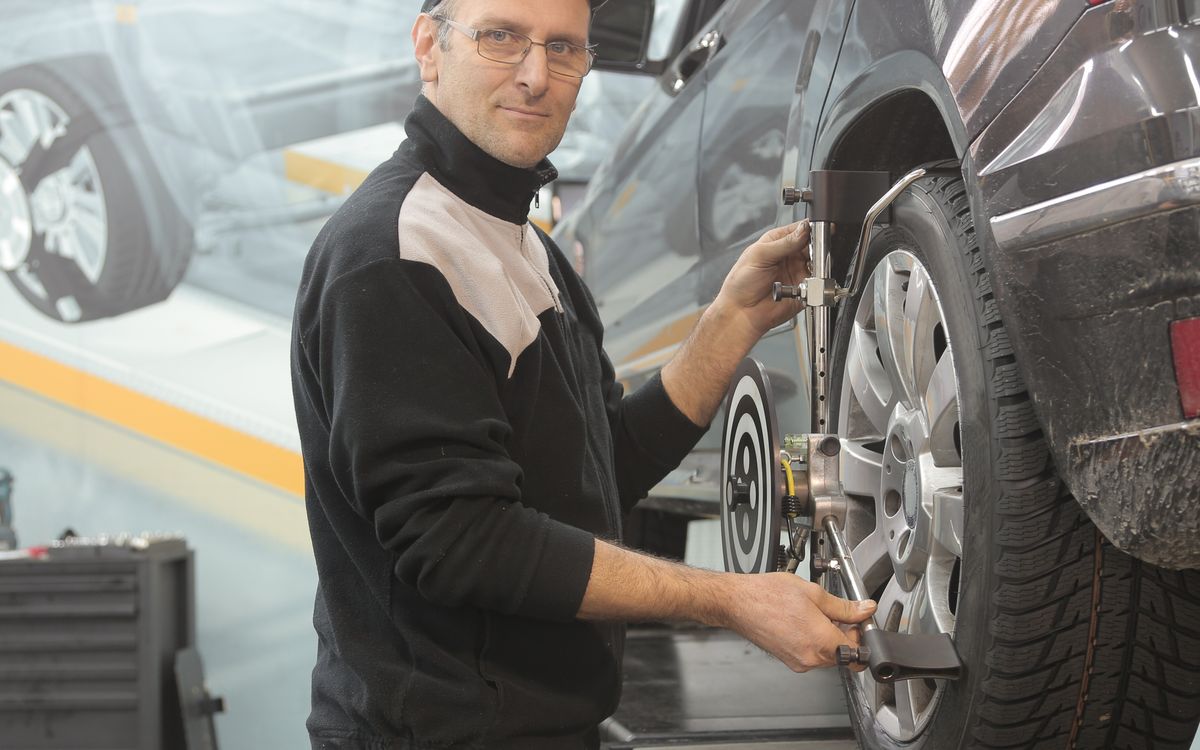
Have alignment checked after any significant kerb impact or if the car pulls. Misalignment can destroy a new set of tyres within a few thousand miles.
When to replace
The legal minimum in most US states is 2/32 inch, indicated by the moulded wear bars. Independent wet-braking testing shows performance degrading well before that, and many safety bodies suggest replacing at 4/32 for wet conditions and 5/32 or more for snow.
Replace all four together where possible, or at minimum in pairs fitted to the rear axle. Fitting the newer pair to the rear is the standard recommendation regardless of which wheels drive, because rear grip loss causes oversteer that is much harder to recover than the understeer from worn fronts.
Also replace regardless of tread if you find sidewall cracking, bulges, or a repair in the sidewall area, which cannot be safely repaired.
Article Was Generated By AI.