A Car Maintenance Schedule That Prevents Breakdowns
The maintenance schedule in your owner's manual was developed by the people who engineered the car, using extensive testing. The sticker on your windscreen was written by whoever last changed the oil and has a commercial interest in you returning sooner.
Follow the manual. Where it lists a normal and a severe service schedule, be honest about which applies — short trips, extreme temperatures, dusty conditions, towing and stop-start city driving all constitute severe use, which covers a large share of real driving.
Oil: interval and specification
Modern engines with full synthetic oil commonly specify 7,500 to 10,000 mile intervals, and some longer. The 3,000-mile interval is a legacy of conventional oil and is now largely a marketing artefact.
The specification matters more than the brand. Use the viscosity grade and the manufacturer approval listed in the manual — many modern engines require specific low-ash formulations to protect particulate filters or timing chain systems. Using the wrong grade in a turbocharged direct-injection engine can cause real damage.
If you drive very few miles annually, change oil on time rather than mileage, typically once a year, because oil degrades through moisture and acid accumulation as well as use.
The items that actually strand people
Battery failure is the most common cause of roadside call-outs. Batteries typically last three to five years, less in hot climates, and they usually fail without warning after showing a slow crank once or twice. Have it load-tested annually after year three; most parts stores do this free.
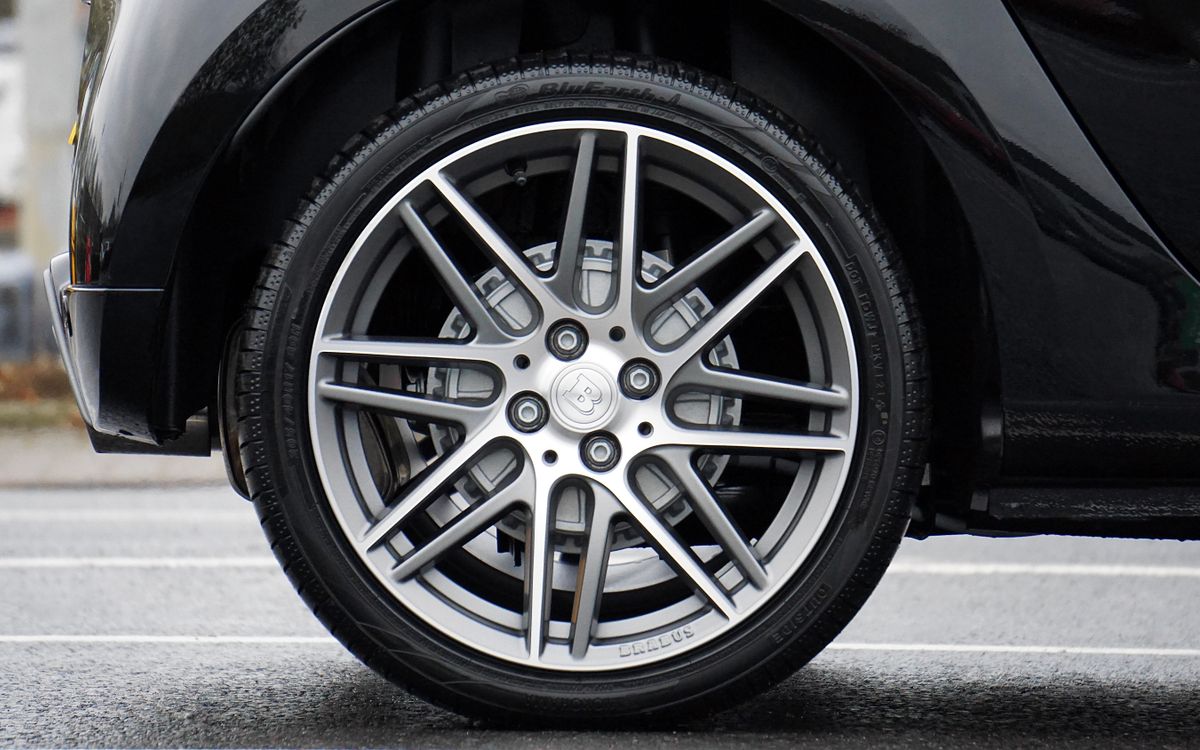
Tyres are next. Check pressure monthly when cold, since underinflation causes heat buildup and blowouts, and check tread depth with a gauge rather than by eye. Replace at 4/32 inch rather than the legal 2/32 if you drive in rain, because wet stopping distances degrade significantly below that.
Cooling system failures follow. Coolant should be changed at the specified interval, and the hoses and radiator inspected for softness and seepage. Overheating causes head gasket and cylinder head damage that dwarfs the cost of prevention.
Timing belts are a hard deadline
Engines with a rubber timing belt have a replacement interval, typically 60,000 to 105,000 miles or a number of years, whichever comes first. If the belt breaks on an interference engine, the valves and pistons collide and the engine is usually destroyed.
This is the single most consequential deferred maintenance item in motoring. Check whether your engine uses a belt or a chain — chains generally last much longer but are not maintenance-free either, and a rattling chain on start-up warrants investigation.
Water pumps are often driven by the timing belt and are replaced at the same time as a matter of routine, because the labour is already being paid for.
Brake fluid and transmission fluid
Brake fluid absorbs moisture from the air, which lowers its boiling point and corrodes internal components. Most manufacturers specify replacement every two to three years regardless of mileage, and it is among the most commonly skipped services.
Automatic transmission fluid intervals vary widely, and some manufacturers describe the fluid as lifetime fill. Independent experience suggests changing it periodically extends transmission life considerably, particularly under severe use. Follow the manual, but be sceptical of lifetime claims on a component that costs thousands to replace.
What you can do yourself
Engine air filter and cabin air filter are usually simple, often tool-free, and marked up substantially at dealers. Wiper blades likewise. Checking and topping fluids requires no skill and catches leaks early.
Keeping a tyre pressure gauge in the glovebox and using it monthly is the highest-return two minutes available in car ownership, affecting economy, tyre life and safety simultaneously.
Finding a mechanic and keeping records
An independent specialist familiar with your make is frequently better value than a franchised dealer, though warranty work must generally go to the dealer. ASE certification is a reasonable baseline signal in the US.
Keep every receipt in one folder or a digital note. A documented service history raises resale value materially and settles arguments about whether a warranty-relevant service was performed. It also lets a new mechanic see what has already been done rather than guessing.
Article Was Generated By AI.