Hybrid vs Petrol: Which Makes Sense for Your Commute
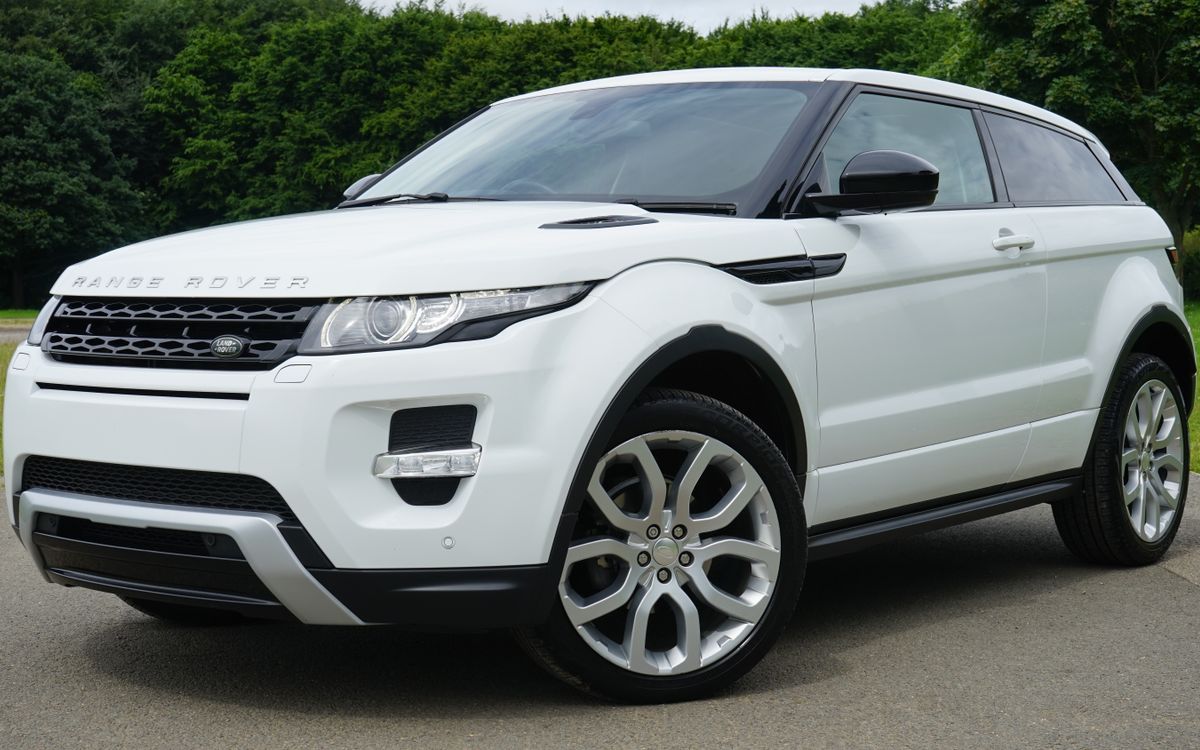
A conventional hybrid pairs a petrol engine with an electric motor and a small battery, recovering energy under braking and using the motor at low speeds where combustion engines are least efficient. Nothing plugs in; the petrol engine charges the battery.
The consequence is counterintuitive if you are used to petrol cars: hybrids often achieve better economy in city driving than on the highway, because that is where regeneration and electric-only operation contribute most.
Where the savings are largest
Stop-start city traffic is the ideal case. A petrol engine idling in a queue produces zero miles per gallon; a hybrid switches the engine off entirely and creeps on the motor. Every deceleration recovers energy that a conventional car dumps as brake heat.
A short urban commute with frequent stops might see a hybrid deliver 45 to 55 mpg against 25 to 30 for the petrol equivalent — an enormous proportional difference.
Steady highway cruising at 70 mph is the least favourable case. There is little braking to recover and the engine is running near its efficient zone anyway, so the hybrid advantage narrows considerably, sometimes to a couple of mpg.
Running the payback
Hybrid versions typically cost $1,500 to $3,500 more than the equivalent petrol model, though the gap has narrowed and some models now come only as hybrids.
Calculate annual fuel cost both ways using your actual mileage and driving mix, then divide the price premium by the annual saving. A driver covering 15,000 mostly urban miles might save $700 to $900 a year, giving payback in two to four years — clearly worthwhile.
A driver covering 8,000 mostly highway miles might save $200 annually, giving payback beyond a decade, at which point the premium is hard to justify on economics alone.
Battery concerns, addressed
Hybrid battery replacement is the most common worry and the least justified. Federal regulations require hybrid battery warranties of at least 8 years or 100,000 miles, and longer in states following California's requirements. Real-world data from high-mileage hybrid taxi fleets has shown these packs lasting well beyond warranty.
Replacement costs have also fallen substantially, and a refurbished pack is often available at a fraction of the original dealer price. It is a manageable eventual expense rather than a catastrophe.
The maintenance advantage nobody mentions
Hybrids typically go through brake pads far more slowly, because regeneration handles most routine deceleration and friction brakes are used mainly for firm stops. Pad life of 80,000 to 100,000 miles is common, against perhaps 40,000 in a conventional car.
The engine also runs less, and often under gentler load, which tends to extend its life. Set against this, the hybrid system adds components, and specialist knowledge is occasionally needed — though mainstream hybrids have now been on the road for over two decades and most competent independent workshops can service them.
Where plug-in hybrids sit
A PHEV has a larger battery and a plug, offering typically 20 to 50 miles of electric range before behaving like a conventional hybrid. For a household with home charging and a short commute, this can mean most daily driving happens on electricity with no range anxiety on longer trips.
The condition is that you actually charge it. A PHEV driven without plugging in carries a heavy battery for no benefit and returns worse economy than a conventional hybrid. Buyers who cannot charge at home should choose a conventional hybrid instead.
How to decide
If your driving is predominantly urban with frequent stops, choose the hybrid — the payback is fast and the driving experience in traffic is quieter and smoother.
If your driving is predominantly long-distance highway, the petrol model may be the better value, and a modern efficient diesel or a small turbocharged petrol engine can be competitive.
If you have home charging and most days are short, price a PHEV, and be honest about whether you will plug it in nightly. If the answer is no, take the conventional hybrid.
Article Was Generated By AI.